top of page

On Difference and Wholeness, A Letter From Kabul


A Memorial Day reflection on Afghanistan, the wound of hierarchy, and the Sufi truth that separation is an illusion.


On this Memorial Day, we remember every soldier, every civilian, every mother and child whose life was taken by war — American, Afghan, and all those whose names history forgets. We honor the fallen most truly when we refuse to let their sacrifice be in vain.


Yes, our differences are real. They are physical, cultural, linguistic, ancestral. But difference was never meant to justify hierarchy. Across history, society has taken what was simply other and used it to divide — to place some above and others below. This is not an abstract problem. It shapes real lives, in Afghanistan and everywhere.


In recent years, my homeland has suffered a wound that feels beyond words. After more than two decades of perseverance — of painstaking progress, of education, of fragile hope built slowly for our children — the nation was thrust backwards overnight. The return of Taliban rule has erased the dreams and labor of millions of Afghans. After foreign troops withdrew, many resisted with extraordinary courage, striving to protect hard-won progress and dignified lives. Yet in a single stroke, decades of education, women's empowerment, and social advancement were dismantled.


This Memorial Day, I think of the soldiers — American, Afghan, allied — who gave their lives believing they were building something that would last. I think of the Afghan interpreters, teachers, doctors, and aid workers who stood beside them. Their sacrifice was real. The grief of every family who lost someone is real. And the question their loss leaves us with is real too: what do we owe one another now?


The heartbreak of our daughters

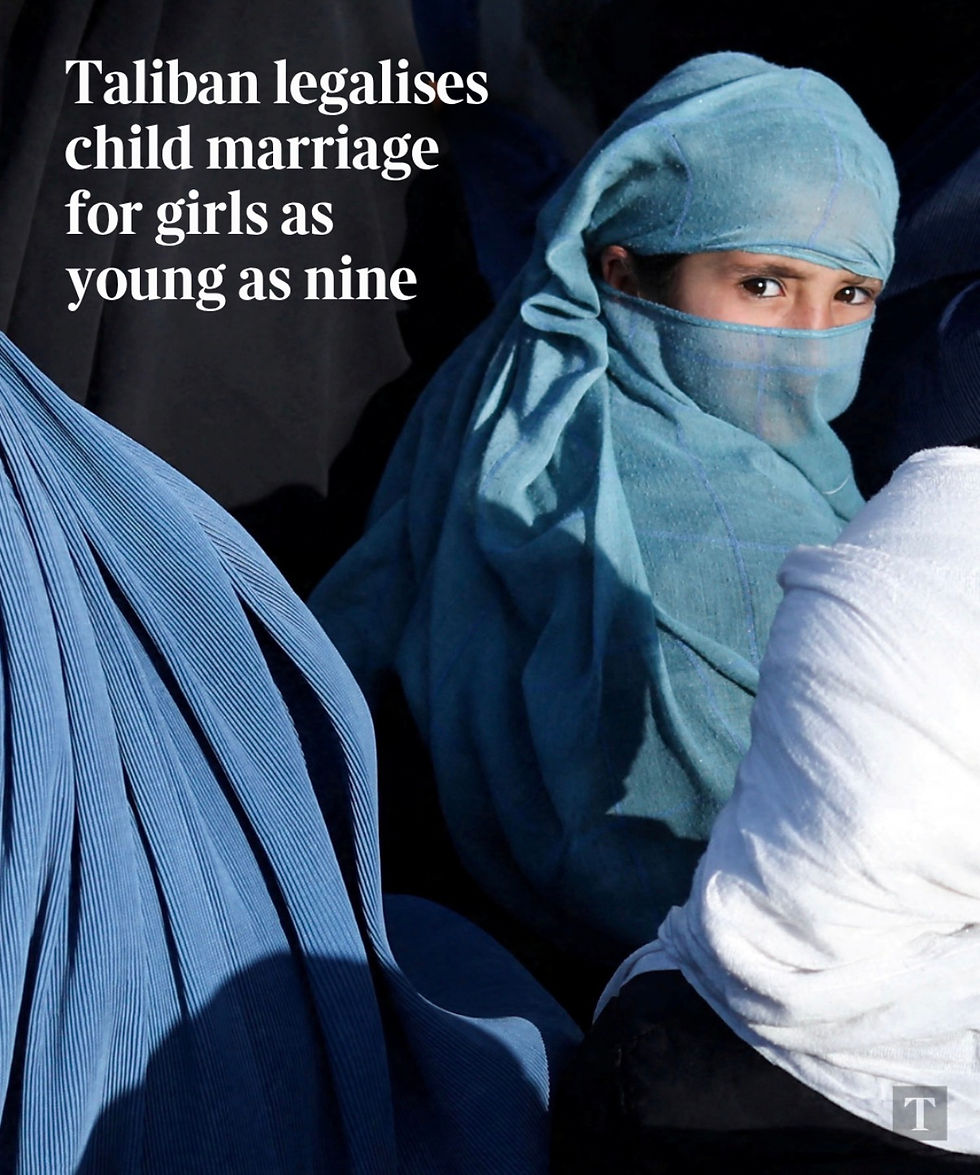
For Afghan women and girls, the heartbreak is especially acute. Girls above grade six are banned from school. Young women — once full of aspiration, studying medicine, science, literature — now find every door closed, every future stolen, every voice silenced. Nearly 2.2 million girls are denied education today. In this darkness, it is not only progress being strangled, but hope itself.


Children's lives have shrunk from dreams of learning and play into the grim arithmetic of hunger, early marriage, and labor. Women who once led classrooms, businesses, and movements have been pushed into invisibility. Our sisters and daughters have been handed to a system suffering from catastrophic heart-sickness — a regime of brothers so deeply wounded themselves that their pain is now wielded against those most vulnerable.

This is heartbreak not only for me, after more than twenty years striving for education and possibility for Afghan children, but for millions whose courage and cooperation have been disregarded by the world. Afghanistan feels forgotten — a nation left in the shadows, its people's cries met mostly with silence.


Oppression is learned, not natural

And yet — patterns of oppression are not natural. They are learned. They are passed down as tradition, as story, as fear. Those who cannot celebrate another's innate strength remain imprisoned by the very beliefs they try to impose. This is not mindful presence. It does not honor the Divine spark that lives in each of us.


The Taliban is not an inevitability of Afghan soil. It is a sickness born of war — of generations raised in displacement, indoctrination, and trauma. War creates the very systems we then call barbaric. To honor the fallen of every nation, we must be willing to name this clearly: violence breeds violence, and the only way out is a deeper seeing.


Toward true healing

True healing can only begin when we recognize the dignity of every soul. Sufi wisdom teaches that the soul is beyond gender, beyond form. Non-dual understanding reveals that separation is itself the illusion. With empathy, presence, and shared responsibility, we can help each other heal — tending wounds with patience, without blame. Even those who oppress are themselves imprisoned and hurting; hurt brothers, severely ill. We must see even the hard-hearted with clear eyes — and a heart that refuses to harden in return.


When anyone is not free, none of us is truly whole.

This is our calling: to meet suffering with compassion and clarity. To refuse resignation. To restore original wholeness. To insist on a world awakened to unity and mutual respect.

In the face of heartbreak and catastrophe, let us stand as witnesses — tending each flicker of hope, each wounded heart — knowing that true justice has no exceptions. It includes us all.


This Memorial Day, may we honor the fallen not only with flags and silence, but with the harder work of remembering why they fell — and choosing, together, to build a world where fewer must.

We are One in essence.

Are we not?

Anosha


Anosha Zereh is a writer, poet, and contemplative guide based in the San Francisco Bay Area. This is Chapter 2 of an ongoing series weaving Sufi wisdom, non-dual awareness, and Afghan memory.If this piece moved you, please share it with someone who needs these words today. And consider supporting organizations educating Afghan girls in exile — their light must not go out.


Comments


bottom of page